
A Peach Among Coconuts 🍑🥥
Before “expat” was a trend or came with relocation packages and coworking visas, my Colombian parents were already living the expat life—1970s edition: no Internet, using dictionaries and maps to navigate through life.
They landed in Siegen, Germany, a town with fewer than 100k people and probably even fewer expats.

Social connection wasn’t just nice to have—it was oxygen, especially for my warm-blooded, café-loving Colombian mother.
Time is precise. Meetings start when scheduled, end when planned, and calendars are commitments. If it’s in the calendar, it’s basically a contract. Changing plans at the last minute? That can feel disrespectful, chaotic, or… mildly alarming.
Today, as an intercultural coach, I often start with this story when introducing the Peach and Coconut theory —a concept by psychologist Kurt Lewin and later popularized by professor Erin Meyer:
🍑 Peaches vs. 🥥 Coconuts
🥥Coconuts have a hard shell: people may seem reserved or distant at first. But once you crack through, you find the sweetness inside—deep, loyal, lasting relationships.
Think: my mom finally getting that Kaffee-und-Kuchen invite from her German friends.
🍑Peaches are soft on the outside: friendly, chatty, approachable. But there’s a hard pit at the center—getting to truly intimate matters takes time and trust.
Think: my mom, warm and ready to connect, but still holding onto the Colombian motto: “La ropa sucia se lava en casa” (you do your laundry at home). That’s the difference between being personal and being intimate. You can be warm and open—without crossing the line into deeply private territory.
Knowing whether you’re dealing with a peach or a coconut can be the difference at work or in your private life.
Personally, I’ve lived both sides:
🍑 For Coconuts among Peaches:
1️⃣ Loosen Up a Bit: Peaches thrive on openness. Small talk isn’t superficial—it’s a bridge.
2️⃣ Initiate, Don’t Hibernate: Ask questions, tell stories. Be warm—even if it feels weird.
3️⃣ Find Common Ground: A shared love for football or “Game of Thrones” reruns can work magic.
🥥 For Peaches among Coconuts:
1️⃣ Respect the Shell: Don’t dive into personal questions too fast. Build trust gradually.
2️⃣ Formality ≠ Coldness: Titles, handshakes, and personal space are signs of respect, not distance.
3️⃣ Be Patient: The coconut might seem hard to crack, but inside? A lifelong friendship engine.
Today, my 74-year-old mother still laughs about this time and re-shaped the concept:
“Germans are like old Mercedes-Benz cars. Might take a while to start, but once the engine’s running—you’re in for a long, reliable ride.”
Couldn’t have said it better myself. 🛻
About the Author

My personal and professional life has always been within a multi-cultural environment. I have studied and worked in 4 different countries, Colombia, Germany, Switzerland and France, an experience which has given me a dynamic cultural background and language abilities, thus providing me with a global perspective to add insights and open problem-solving skills.
Beyond my intercultural background I’m also a polyglot speaking fluent Spanish, German, English, French and Portuguese. Already at the age of 21 I discovered my passion for education and sharing knowledge and I started my journey as a teacher (German and Spanish) followed by the creation of my first company SimpleMente offering tutoring services for the kids of international schools.
Founder of Global Insights and People Development and working as an independent trainer and coach helping companies build global success through talent development in 3 main areas:
- Insights® Discovery
Identify personality types and leverage skills to build better professional relationships.
- The Culture Map
Decoding cultural differences and improve global team collaboration.
- DE&I: Diversity Equity & Inclusion
Navigating diversity for success in the corporate world.
More Blogposts
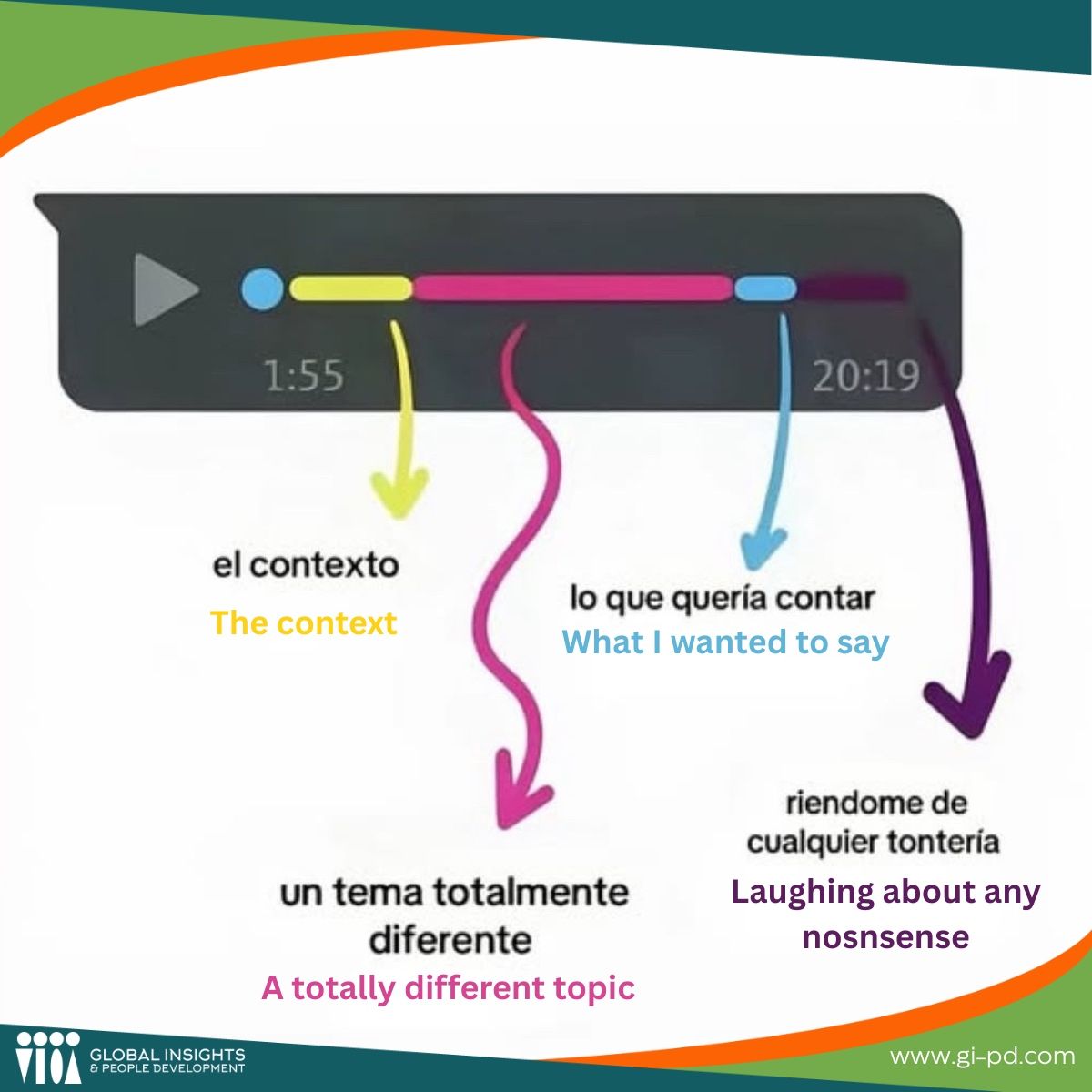
Will they ever STOP talking?
Have you ever “rolled your eyes” or lost patience talking to Latinxs ?... well humor is always the best representation of reality

Is this a “STOP” culture or a “DON’T STOP” culture?
After traveling for two weeks through Vietnam and Cambodia, I realized something unexpected: The real intercultural experts aren’t consultants or researchers they’re tour guides. Think about it: A good tour guide meets people from dozens of nationalities, spends hours (or entire days) with them, and knows that, in the end,…
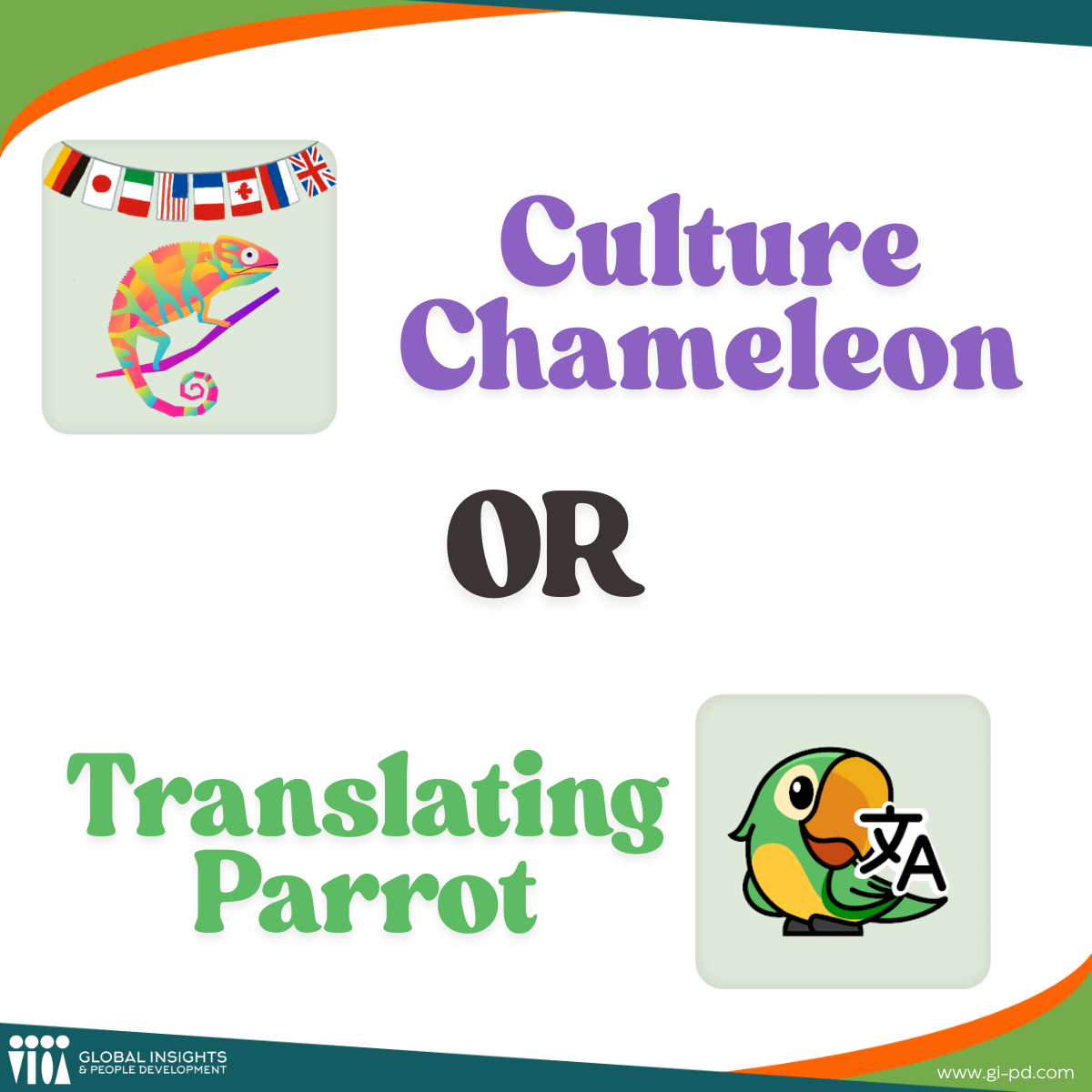
Being a Polyglot and the Subtle Art of Cultural Switching
Ever met someone who can translate perfectly but still misses the vibe of what’s being said? It got me thinking — are we cultural chameleons, adapting seamlessly to different worlds? Or are we just translating parrots, repeating words beautifully without truly absorbing the culture behind them? 🦜
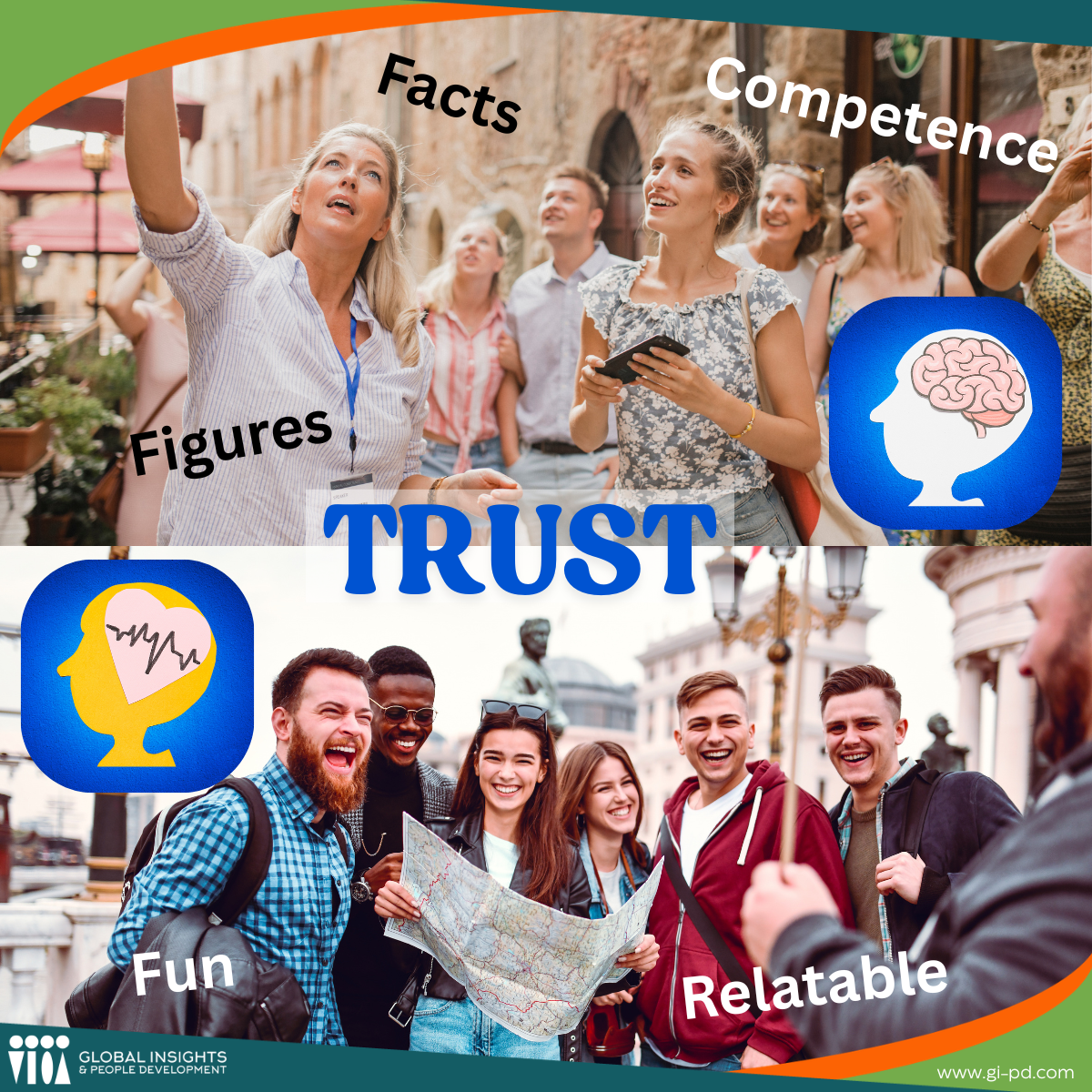
The Real Intercultural Experts? Tour Guides building trust
After traveling for two weeks through Vietnam and Cambodia, I realized something unexpected: The real intercultural experts aren’t consultants or researchers they’re tour guides. Think about it: A good tour guide meets people from dozens of nationalities, spends hours (or entire days) with them, and knows that, in the end,…

Time isn’t neutral. It’s cultural: Both approaches work, just differently
1- ROLEX cultures (very punctual, very structured): Time is precise. Meetings start when scheduled, end when planned, and calendars are commitments. If it’s in the calendar, it’s basically a contract. Changing plans at the last minute? That can feel disrespectful, chaotic, or… mildly alarming. GOLDEN RULE: Time is money = be efficient.
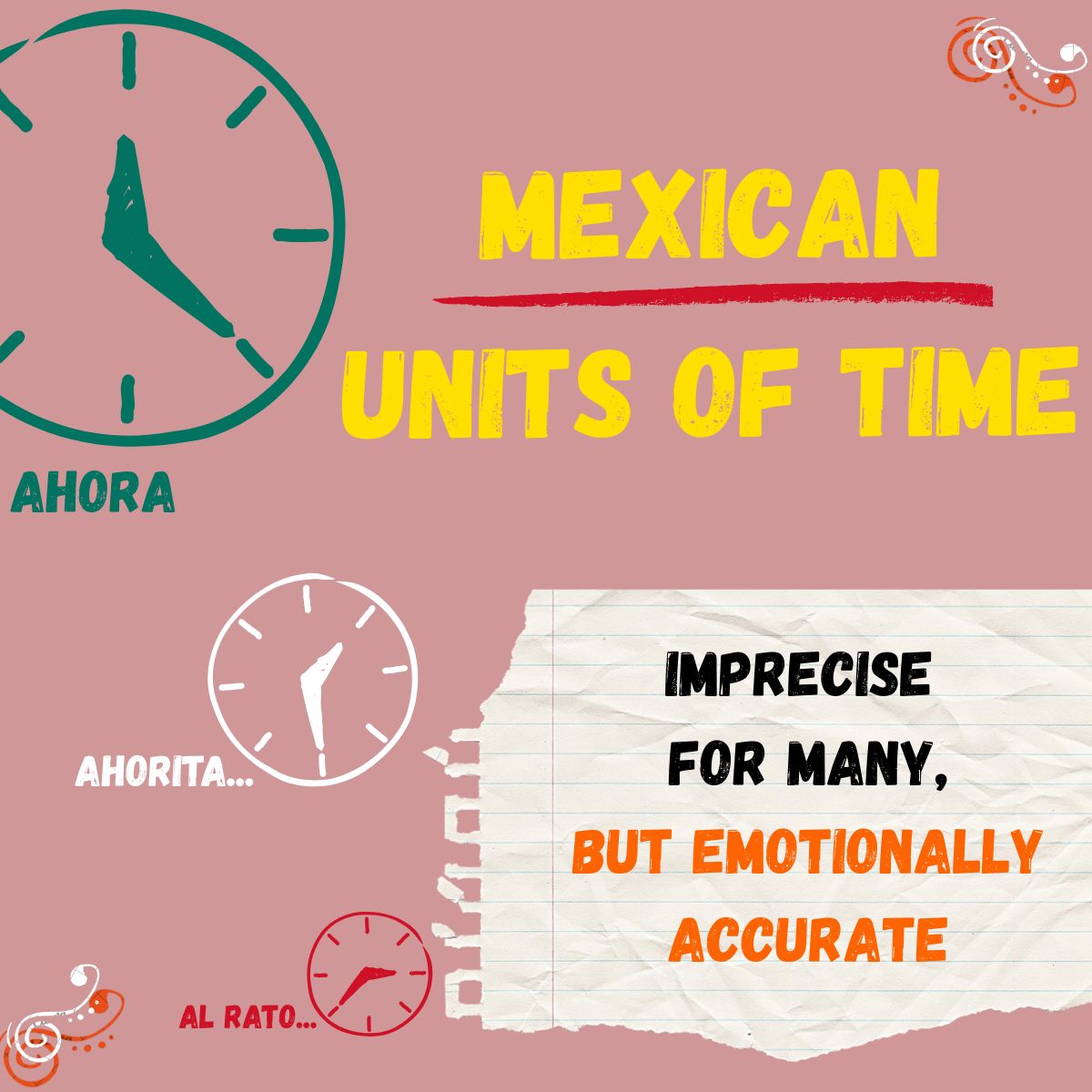
When Time Speaks Louder Than Words: What Your Calendar Reveals About Culture
What does your calendar say about your culture? And no, I'm not just talking about being "on time." Growing up German–Colombian, I learned early on that time means very different things depending on where you are in the world. I can navigate German precision with ease—schedules are sacred, punctuality is…