
When Time Speaks Louder Than Words: What Your Calendar Reveals About Culture
Understanding the hidden language of time across cultures
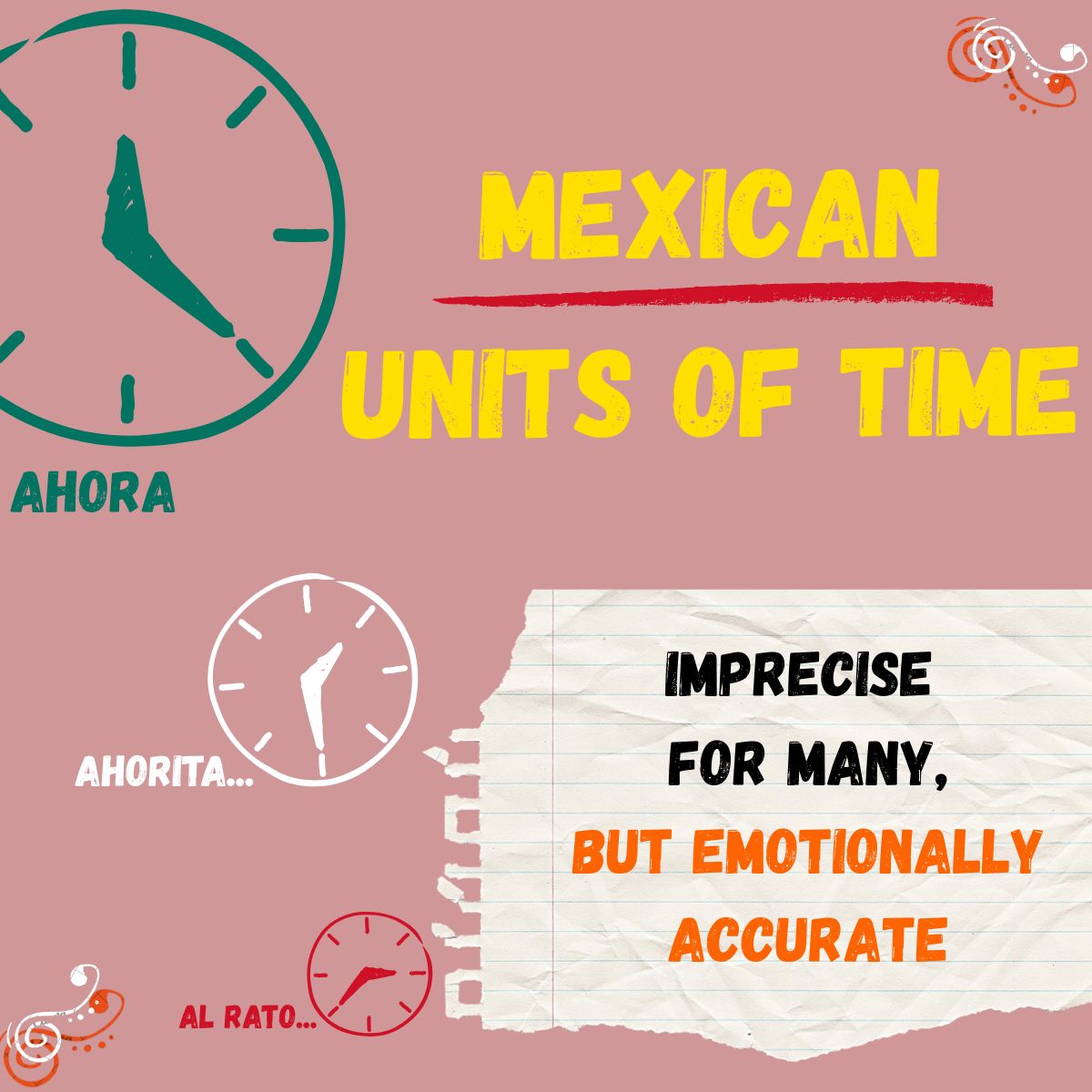
The Clock Doesn’t Tick the Same Everywhere
What does your calendar say about your culture? And no, I’m not just talking about being “on time.”
Growing up German–Colombian, I learned early on that time means very different things depending on where you are in the world. I can navigate German precision with ease—schedules are sacred, punctuality is respect. But I can just as naturally interpret what’s really behind a simple word like “ahorita.”
This duality taught me something profound: time isn’t neutral. It’s deeply cultural.
The Scheduling Scale: More Than Just Punctuality
One of my favorite frameworks for understanding this comes from Erin Meyer’s The Culture Map, specifically her Scheduling scale. This scale illustrates how different cultures approach time—from linear, structured scheduling to flexible, relationship-driven timing.
After years of working with Mexican colleagues and building friendships across cultures, we often agreed on one thing: time is more of a suggestion. It can be imprecise, yes, but it also goes far beyond the literal meaning.
Sometimes, time carries emotions. It works like a thermometer of priorities.
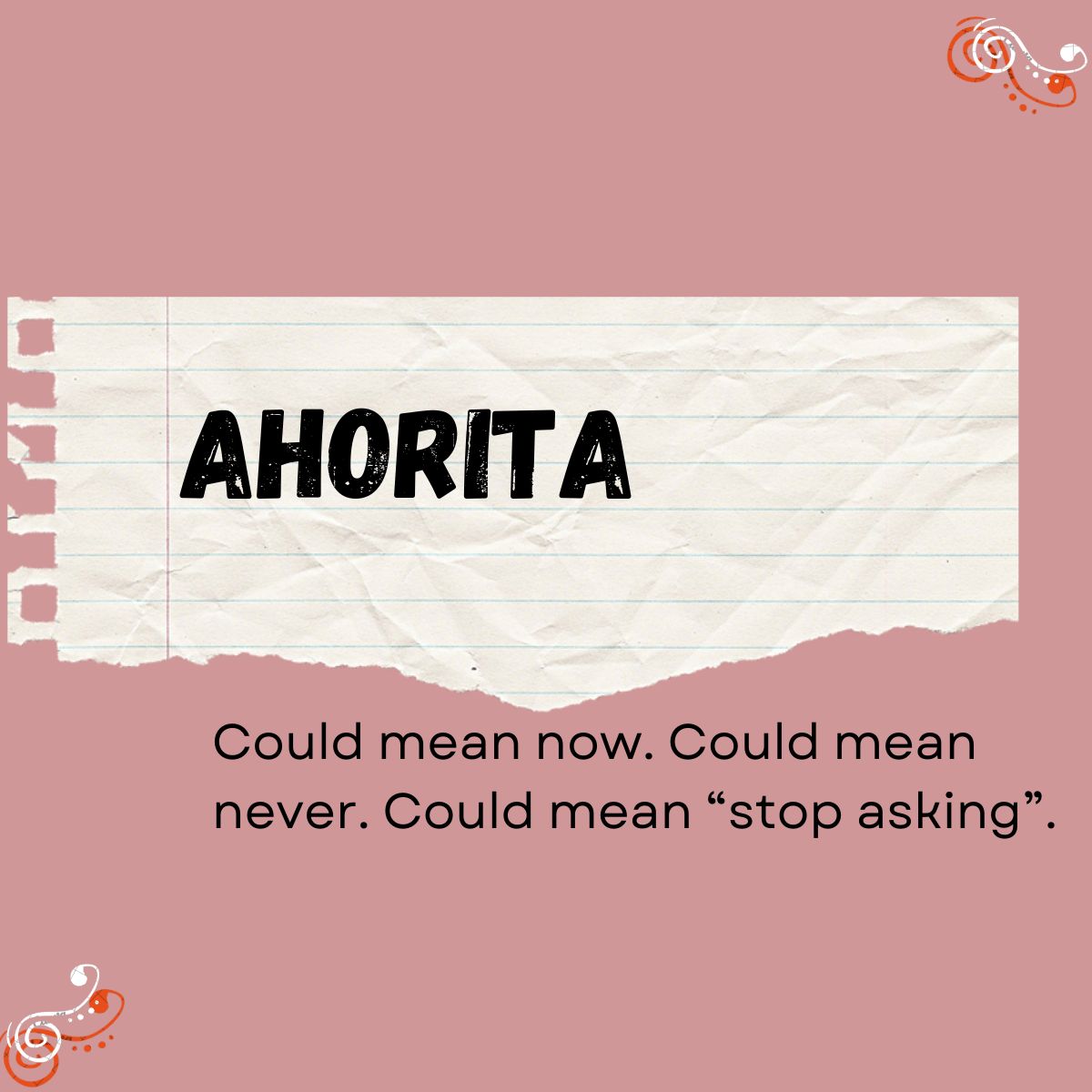
The Unspoken Language of “Ahorita”
In many cultural contexts, time can:
- Mirror emotions — showing enthusiasm or reluctance
- Buy more time — without directly saying “no”
- Send clear (unspoken) messages — about how important a task or deadline really is
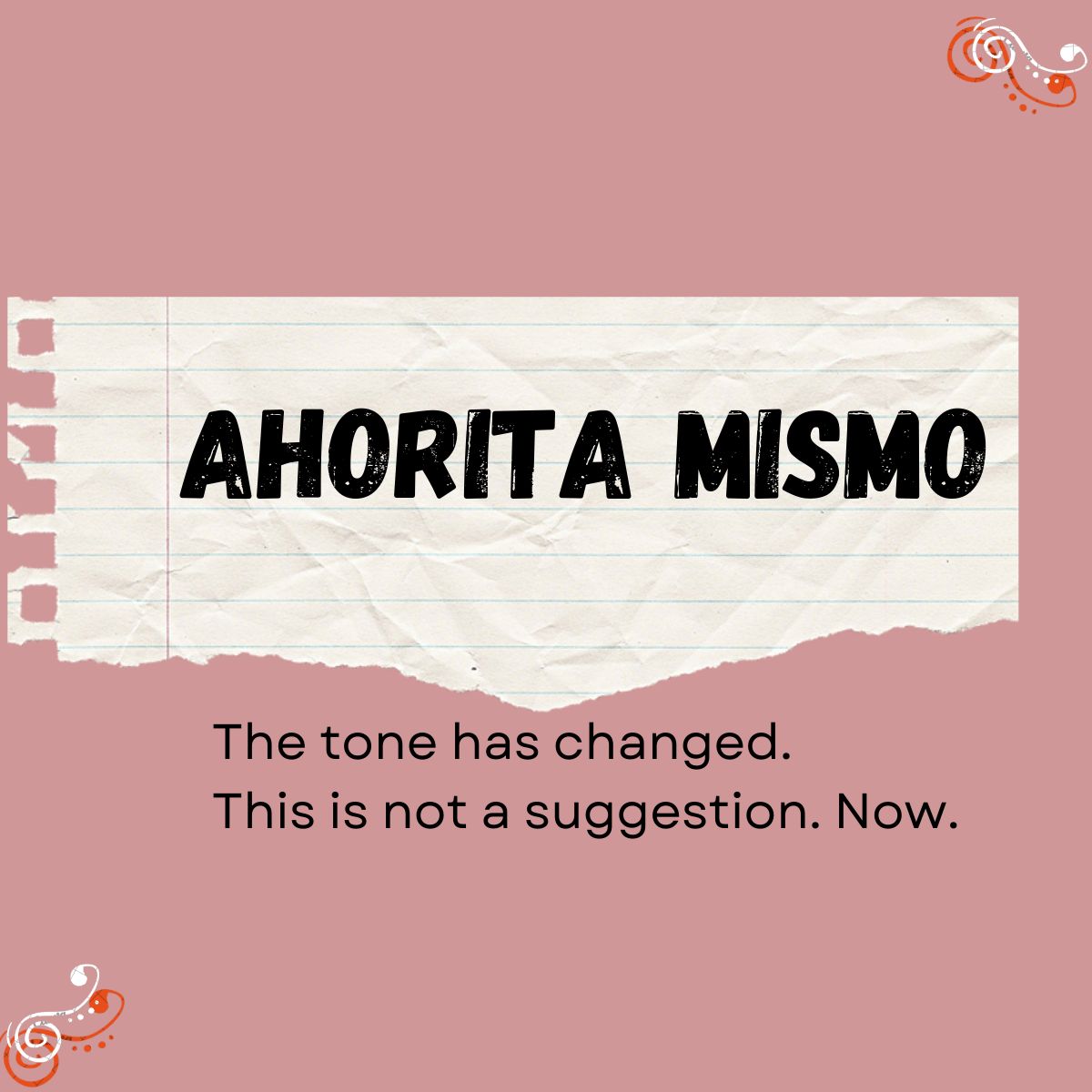
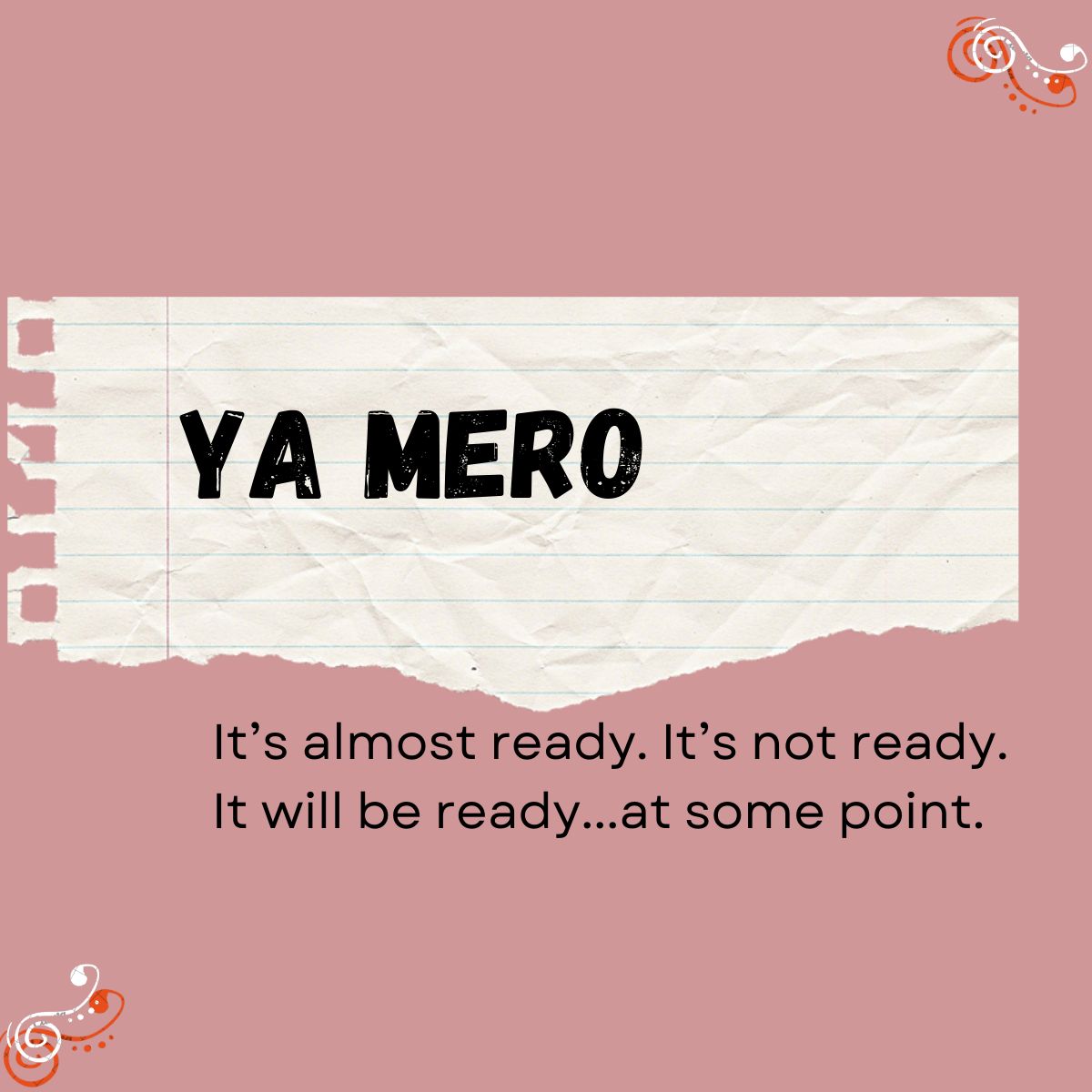
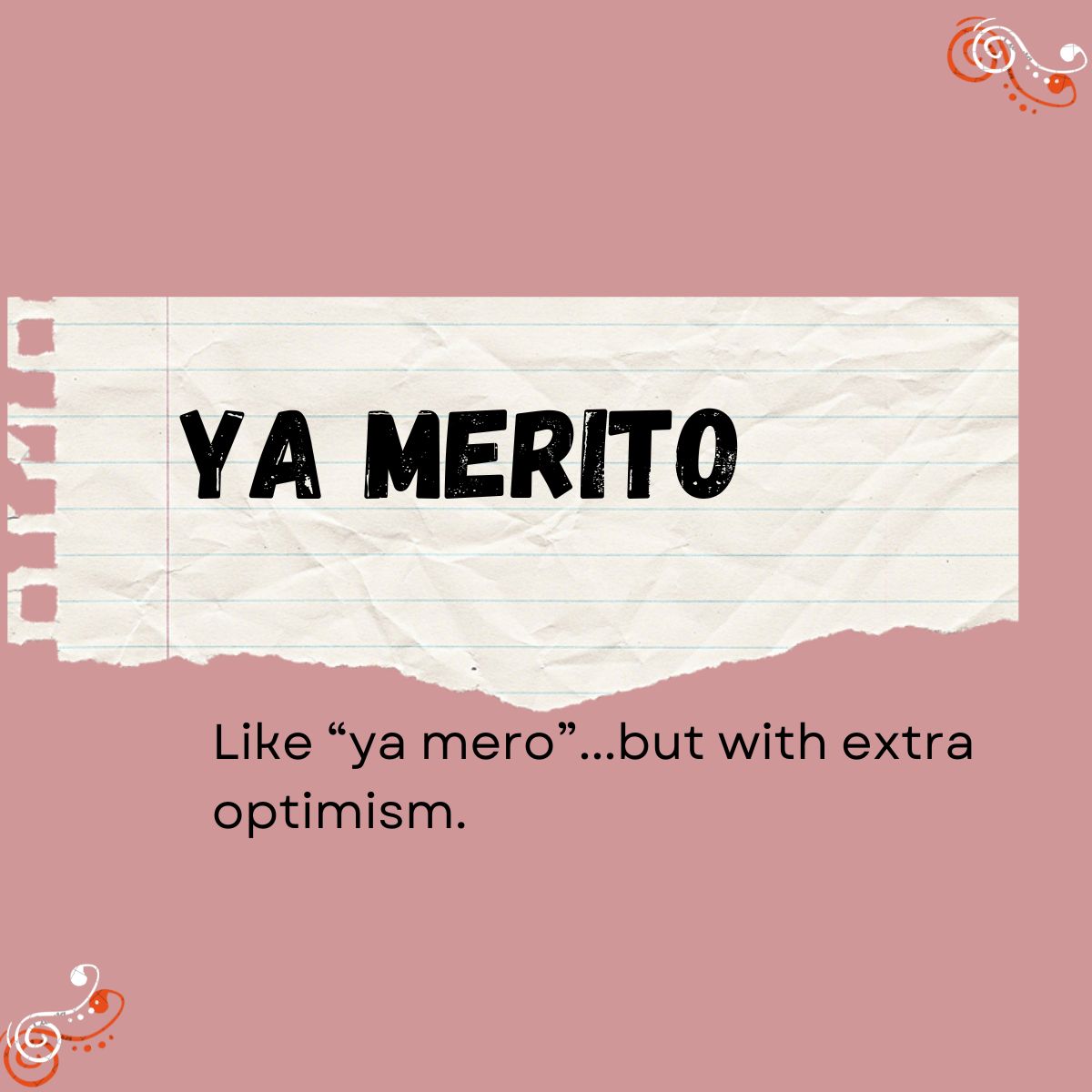
And even if you speak Spanish fluently, each country has its own internal code. In Mexico alone, consider these expressions:
| Expression | Literal Meaning | Actual Meaning |
|---|---|---|
| Ahora | Now | Soon-ish |
| Ahorita | Right now | Maybe in a bit |
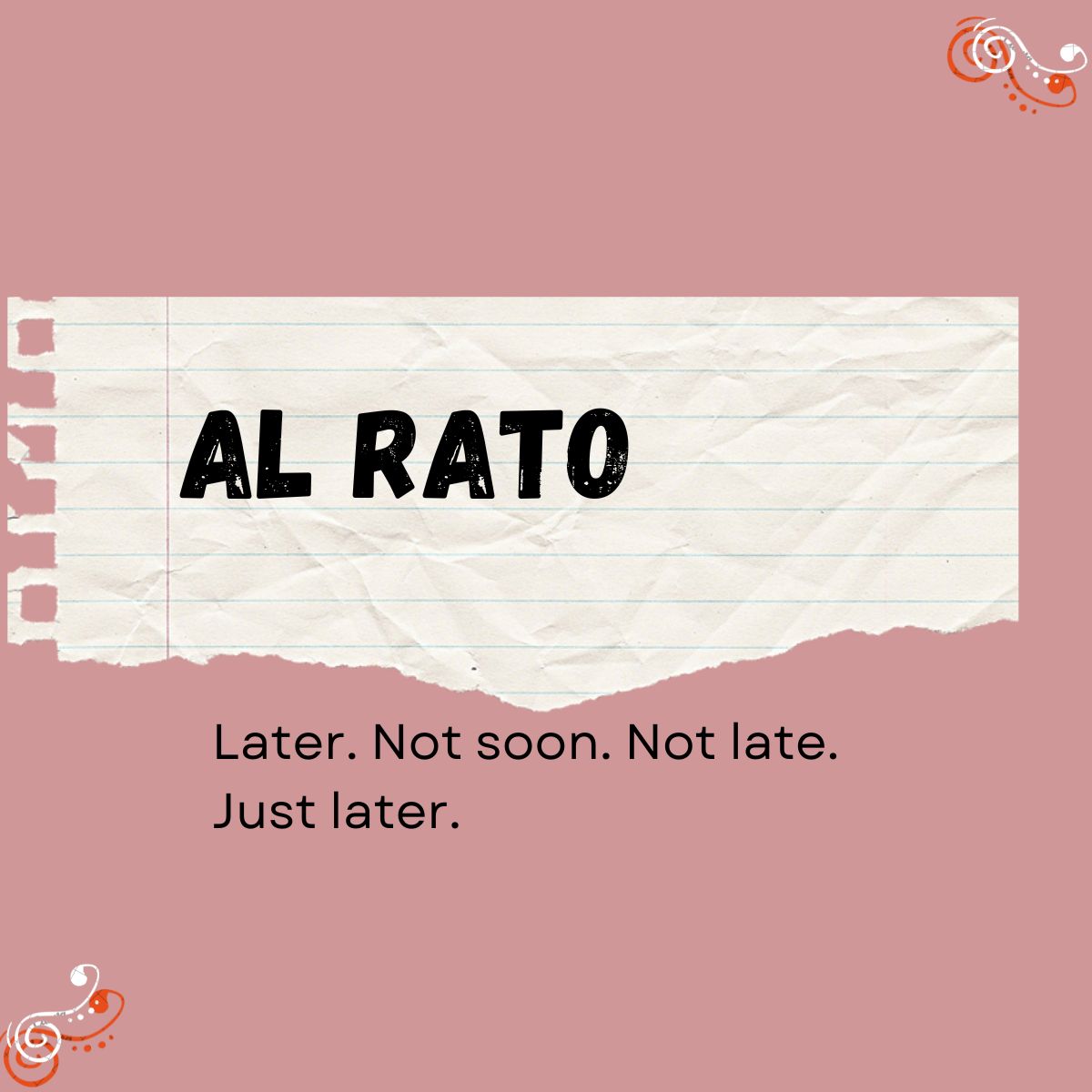
| Al rato | In a while | Could be hours |
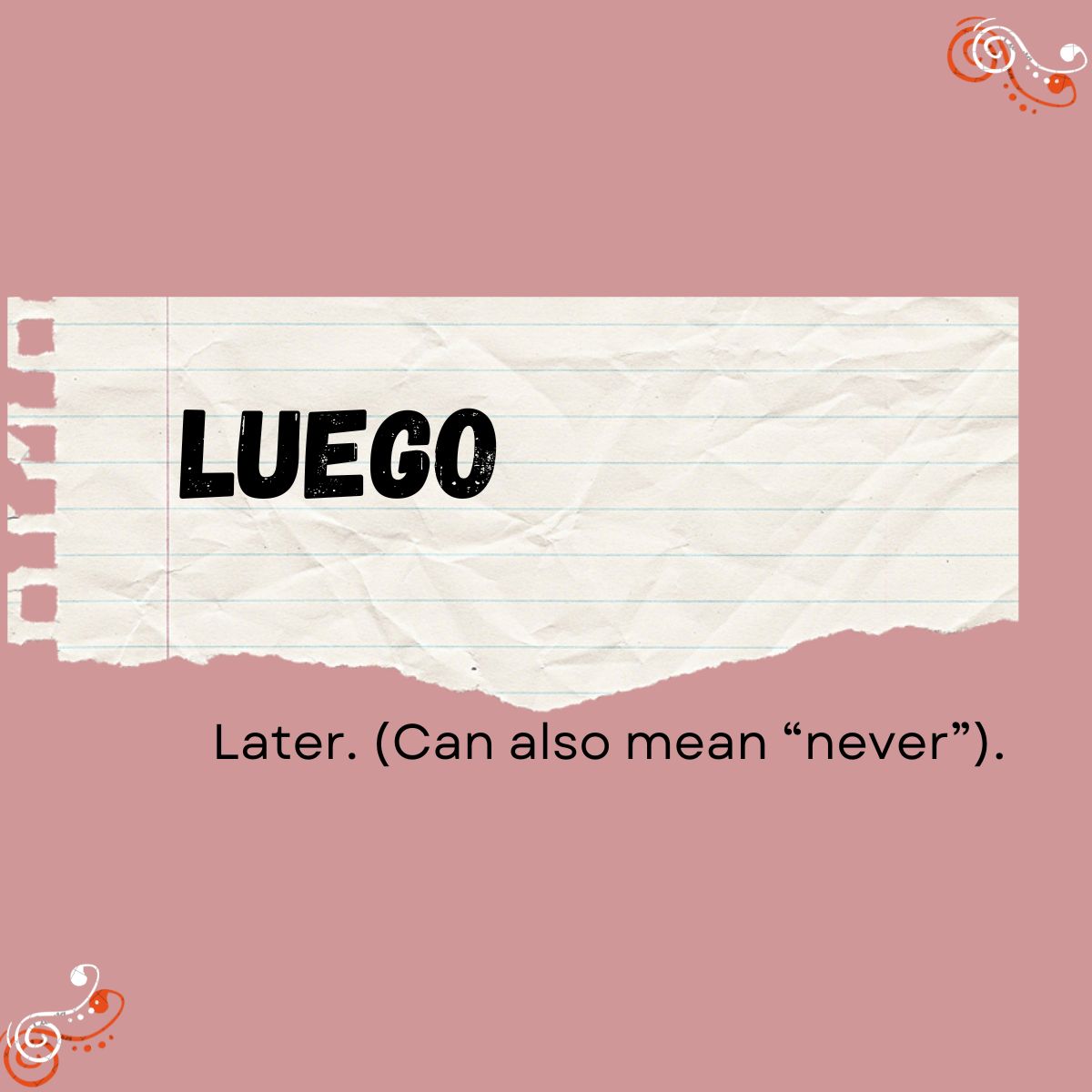
| Luego | Later | Eventually |
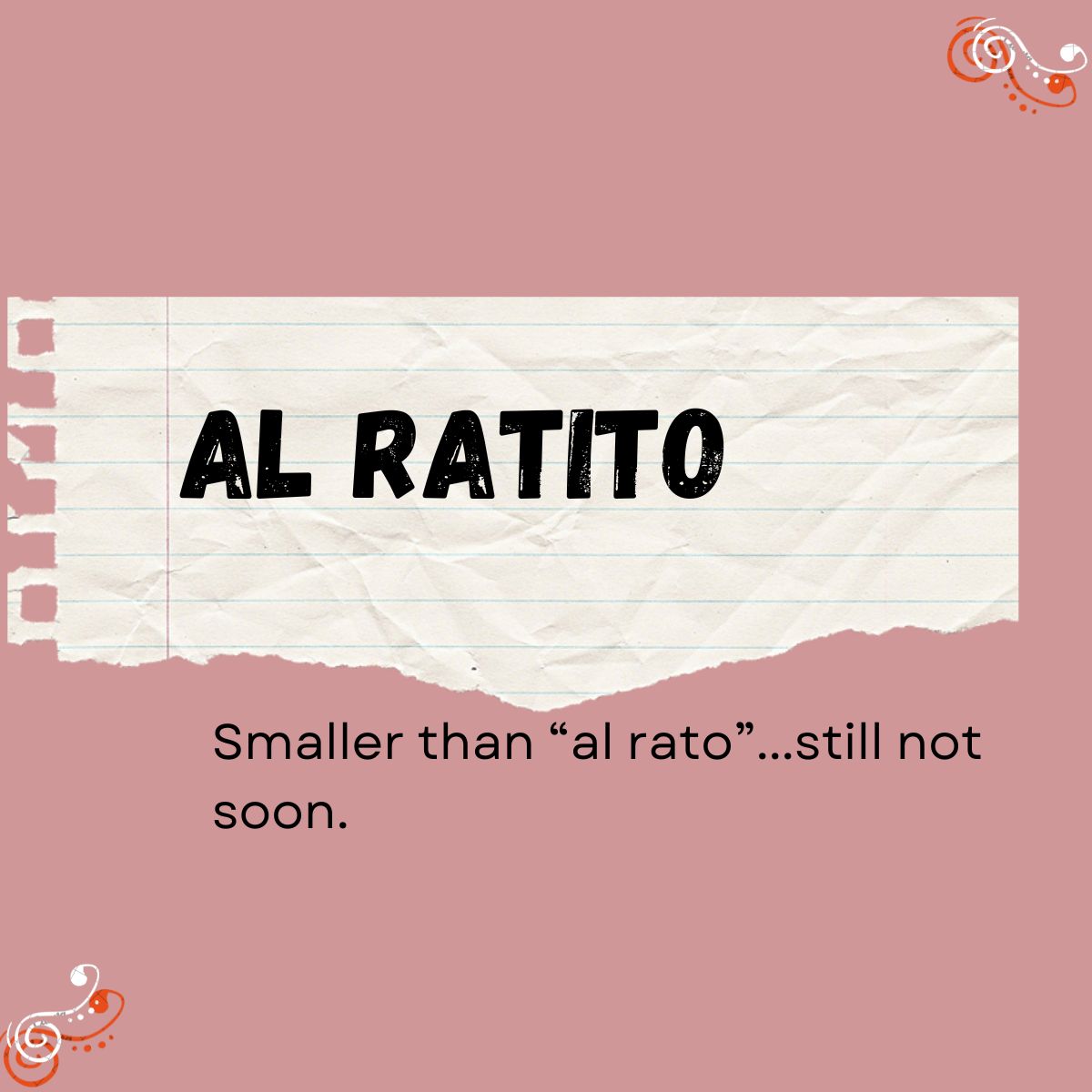
| Al ratito | In a little while | Sometime today… probably |
Same language. Very different signals.




From Frustration to Empathy
Understanding these nuances isn’t just about avoiding missed meetings or misaligned expectations. It’s about something bigger:
- Building empathy with colleagues and clients
- Improving collaboration across borders
- Strengthening relationships through cultural intelligence
When we stop judging other cultures by our own time standards and start understanding theirs, we unlock a new level of connection.
What Has Time Taught You?
Every culture has its own relationship with time. Some see it as a finite resource to be managed. Others view it as fluid—something that bends around relationships and circumstances.
Neither approach is right or wrong. They’re simply different.
What has time taught you about culture?
About the Author

My personal and professional life has always been within a multi-cultural environment. I have studied and worked in 4 different countries, Colombia, Germany, Switzerland and France, an experience which has given me a dynamic cultural background and language abilities, thus providing me with a global perspective to add insights and open problem-solving skills.
Beyond my intercultural background I’m also a polyglot speaking fluent Spanish, German, English, French and Portuguese. Already at the age of 21 I discovered my passion for education and sharing knowledge and I started my journey as a teacher (German and Spanish) followed by the creation of my first company SimpleMente offering tutoring services for the kids of international schools.
Founder of Global Insights and People Development and working as an independent trainer and coach helping companies build global success through talent development in 3 main areas:
- Insights® Discovery
Identify personality types and leverage skills to build better professional relationships.
- The Culture Map
Decoding cultural differences and improve global team collaboration.
- DE&I: Diversity Equity & Inclusion
Navigating diversity for success in the corporate world.
More Blogposts
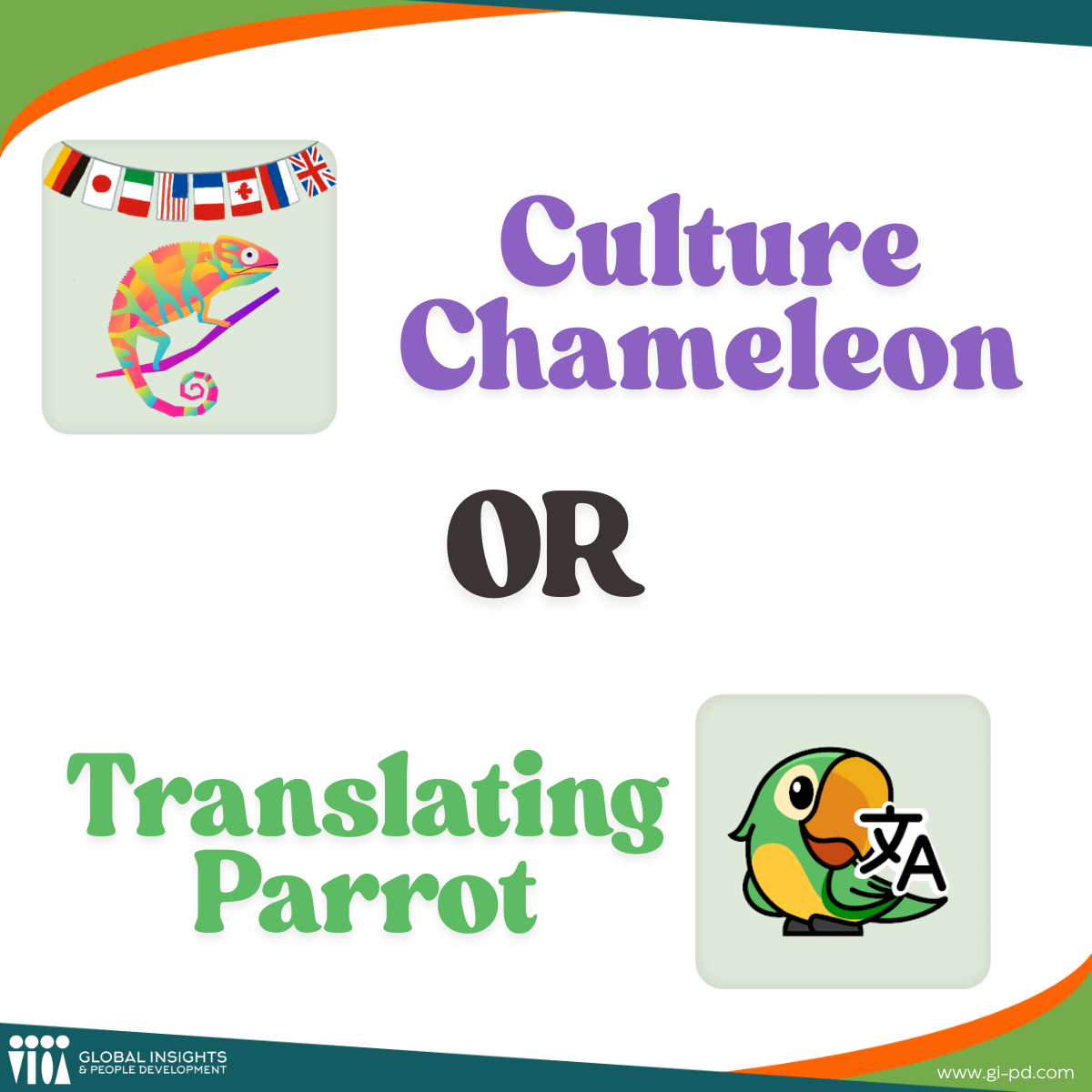
Being a Polyglot and the Subtle Art of Cultural Switching
Ever met someone who can translate perfectly but still misses the vibe of what’s being said? It got me thinking — are we cultural chameleons, adapting seamlessly to different worlds? Or are we just translating parrots, repeating words beautifully without truly absorbing the culture behind them? 🦜 But beyond the…
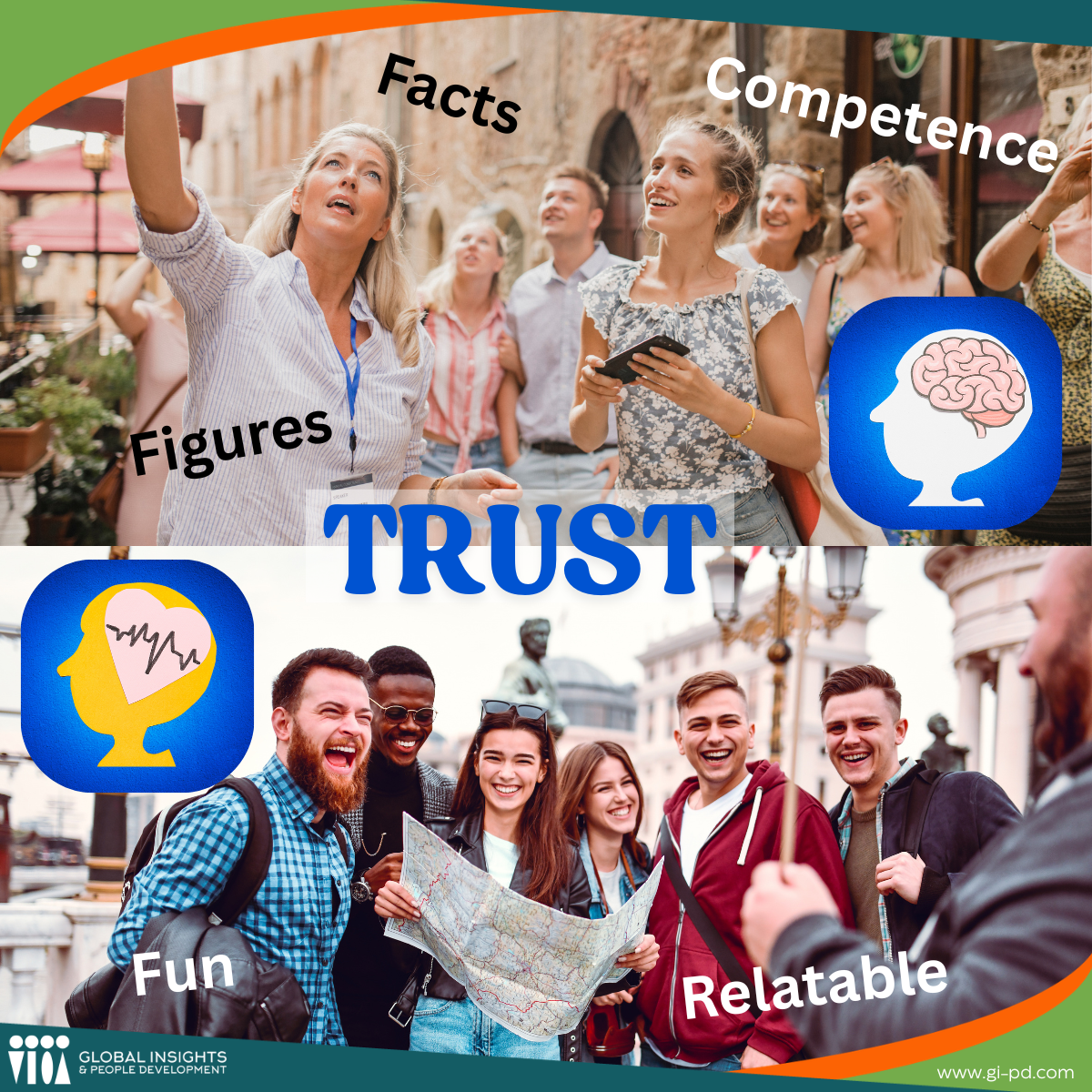
The Real Intercultural Experts? Tour Guides building trust
After traveling for two weeks through Vietnam and Cambodia, I realized something unexpected: The real intercultural experts aren’t consultants or researchers they’re tour guides. Think about it: A good tour guide meets people from dozens of nationalities, spends hours (or entire days) with them, and knows that, in the end,…

Time isn’t neutral. It’s cultural: Both approaches work, just differently
1- ROLEX cultures (very punctual, very structured): Time is precise. Meetings start when scheduled, end when planned, and calendars are commitments. If it’s in the calendar, it’s basically a contract. Changing plans at the last minute? That can feel disrespectful, chaotic, or… mildly alarming. GOLDEN RULE: Time is money = be efficient.