🚦 Is this a “STOP” culture or a “DON’T STOP” culture?
In one, stopping = safety.
In the other, NOT stopping = safety.
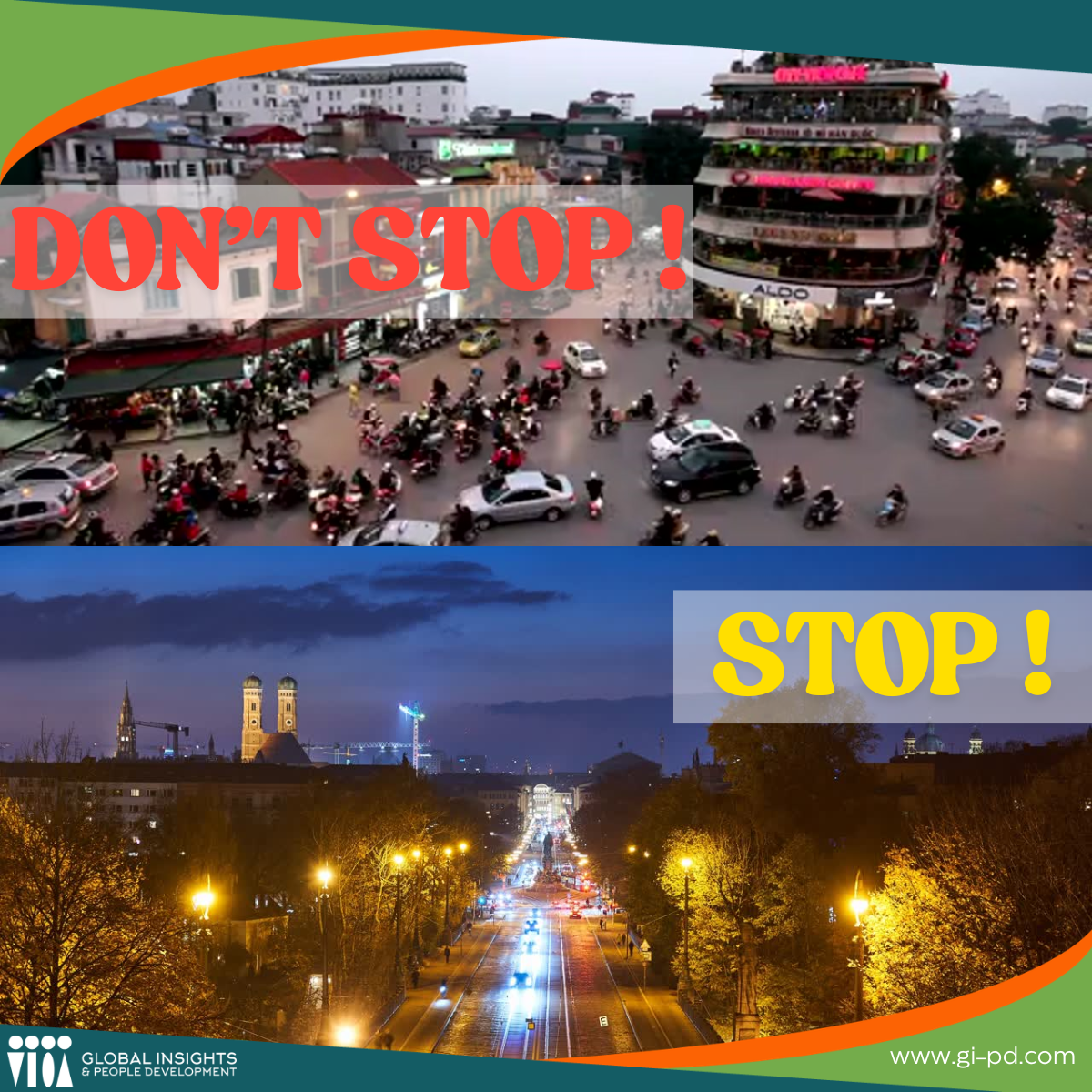
On a recent trip to Vietnam, something unusual kept catching my eye, not the bustling street markets or the mouthwatering food, but the traffic and the way people move through it.
Take Hanoi, for instance. The traffic there is a kind of beautiful chaos, a swirling mix of scooters, bicycles, pedestrians, and cars all flowing in seemingly every direction at once. If you’ve ever tried crossing the street there, you know it’s not an experience for the faint of heart 😅
Our local guide simply said: “DON’T STOP.”
Wait, what? Don’t stop?
My Swiss/German brain immediately screamed: “This is madness! We must stop! There are rules!”
But she was right. Stopping can actually be dangerous. The secret is to GO WITH THE FLOW: keep moving, trust that others see you, and adapt together in real time > You become part of the flow.
It hit me then, this isn’t just traffic. It’s culture in motion.
Now, compare that to Switzerland, Germany, or most of Central Europe, where the rule is clear: STOP and GO.
There’s order, rhythm, and trust in the system. The traffic light says stop, and everyone stops.
STOP vs. DON’T STOP 🚦
That contrast made me think about time orientation and how it shapes behavior. In Erin Meyer’s terms we talk about monochronic and polychronic cultures (from “The Culture map”).
🔹 Monochronic cultures (like Central Europe) value structure, process, and predictability. Tasks happen one after the other: STOP, then GO, and REPEAT.
🔹 Polychronic cultures (like Vietnam) thrive on flow, connection, and flexibility. People handle multiple things at once and stopping breaks the rhythm.
In one, stopping = safety.
In the other, NOT stopping = safety.
Both make perfect sense as long as you know which “traffic system” you’re in. So maybe next time you feel out of sync at work, in a new team, or even just crossing a street in Hanoi ask yourself:
Is this a “STOP” culture or a “DON’T STOP” culture?
And remember: sometimes, the best way to understand leadership and collaboration…is to survive crossing the road. 😉
About the Author

My personal and professional life has always been within a multi-cultural environment. I have studied and worked in 4 different countries, Colombia, Germany, Switzerland and France, an experience which has given me a dynamic cultural background and language abilities, thus providing me with a global perspective to add insights and open problem-solving skills.
Beyond my intercultural background I’m also a polyglot speaking fluent Spanish, German, English, French and Portuguese. Already at the age of 21 I discovered my passion for education and sharing knowledge and I started my journey as a teacher (German and Spanish) followed by the creation of my first company SimpleMente offering tutoring services for the kids of international schools.
Founder of Global Insights and People Development and working as an independent trainer and coach helping companies build global success through talent development in 3 main areas:
- Insights® Discovery
Identify personality types and leverage skills to build better professional relationships.
- The Culture Map
Decoding cultural differences and improve global team collaboration.
- DE&I: Diversity Equity & Inclusion
Navigating diversity for success in the corporate world.
More Blogposts

A Peach Among Coconuts 🍑🥥
Before “expat” was a trend or came with relocation packages and coworking visas, my Colombian parents were already living the expat life—1970s edition: no Internet, using dictionaries and maps to navigate through life. They landed in Siegen, Germany, a town with fewer than 100k people and probably even fewer expats.
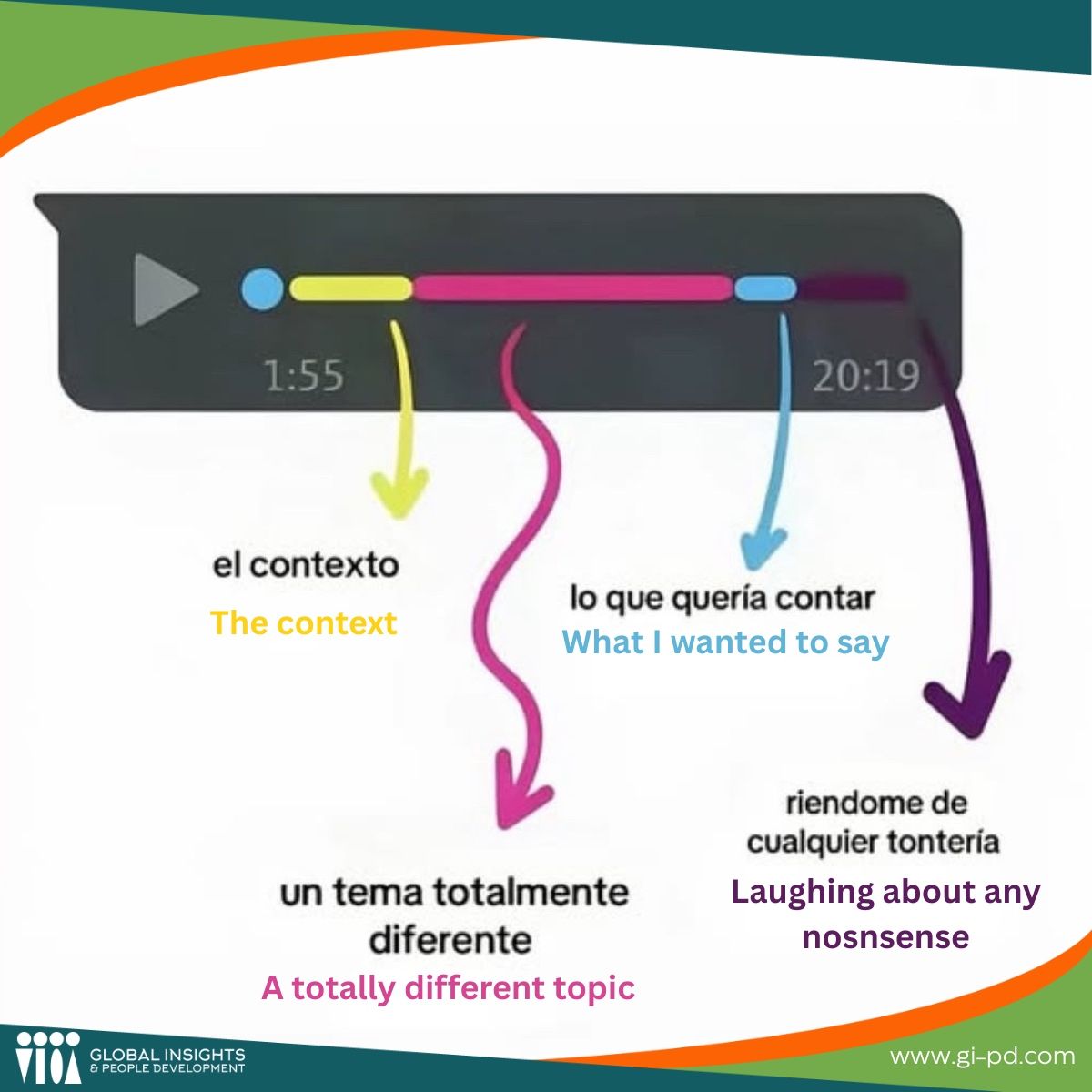
Will they ever STOP talking?
Have you ever “rolled your eyes” or lost patience talking to Latinxs ?... well humor is always the best representation of reality
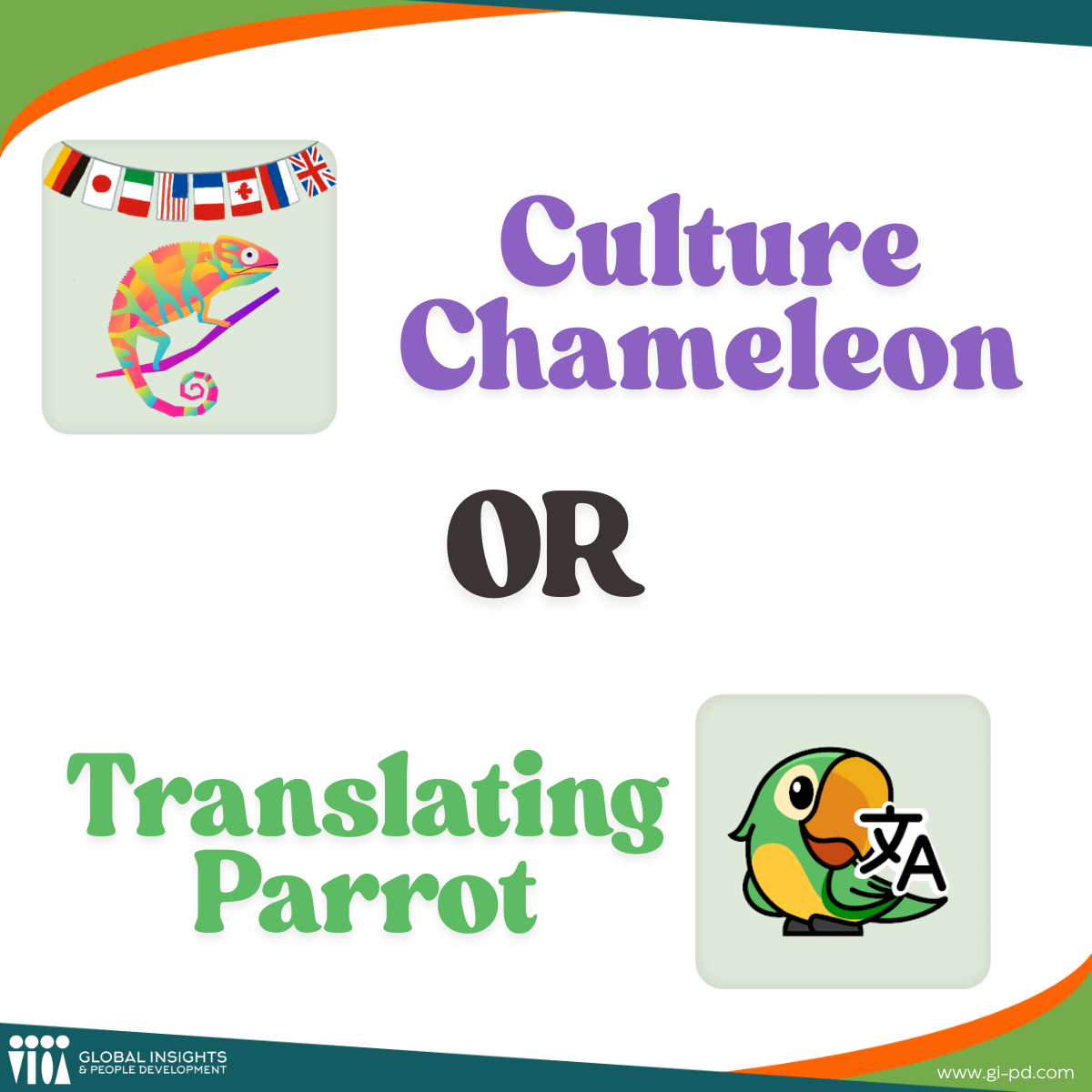
Being a Polyglot and the Subtle Art of Cultural Switching
Ever met someone who can translate perfectly but still misses the vibe of what’s being said? It got me thinking — are we cultural chameleons, adapting seamlessly to different worlds? Or are we just translating parrots, repeating words beautifully without truly absorbing the culture behind them? 🦜
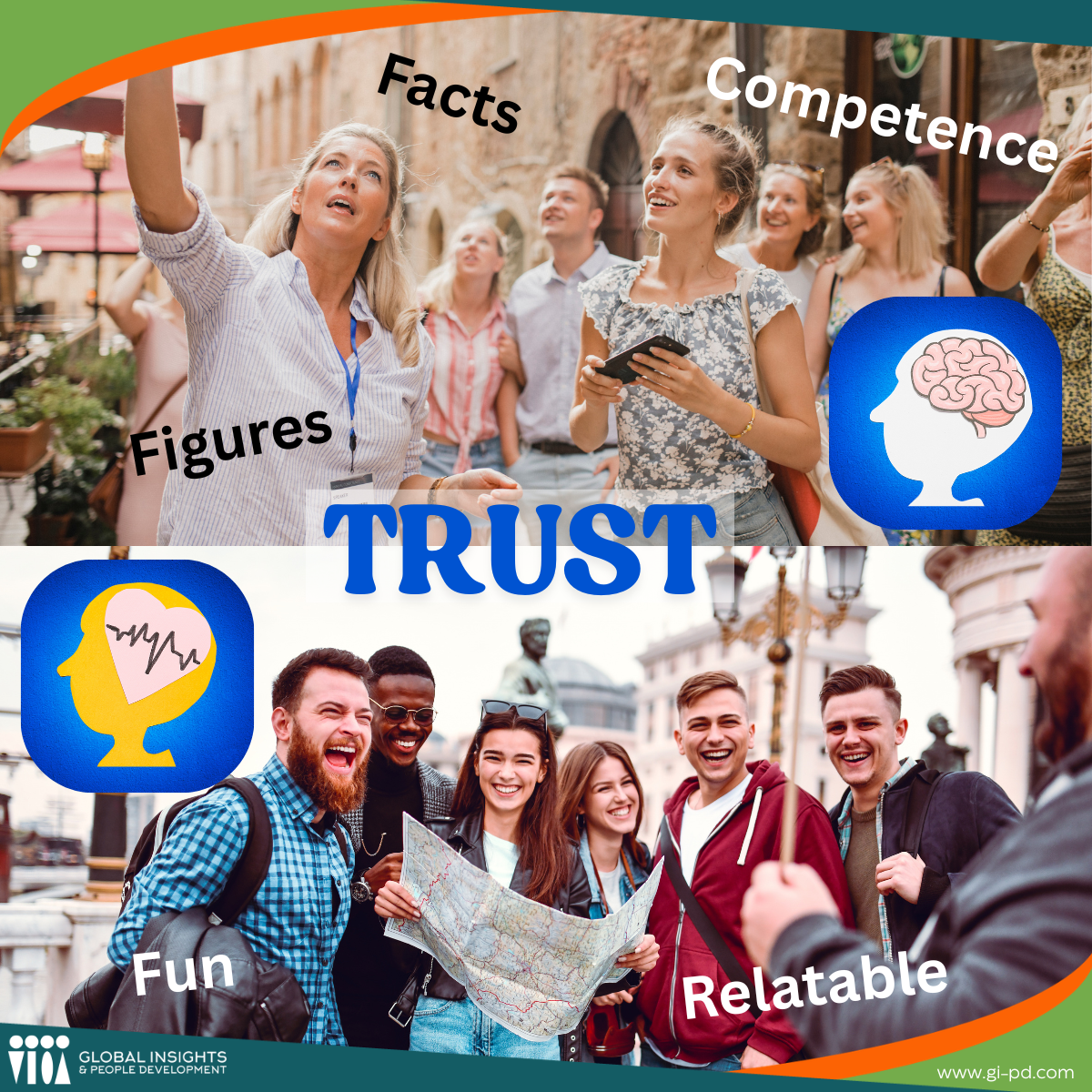
The Real Intercultural Experts? Tour Guides building trust
After traveling for two weeks through Vietnam and Cambodia, I realized something unexpected: The real intercultural experts aren’t consultants or researchers they’re tour guides. Think about it: A good tour guide meets people from dozens of nationalities, spends hours (or entire days) with them, and knows that, in the end,…

Time isn’t neutral. It’s cultural: Both approaches work, just differently
1- ROLEX cultures (very punctual, very structured): Time is precise. Meetings start when scheduled, end when planned, and calendars are commitments. If it’s in the calendar, it’s basically a contract. Changing plans at the last minute? That can feel disrespectful, chaotic, or… mildly alarming. GOLDEN RULE: Time is money = be efficient.
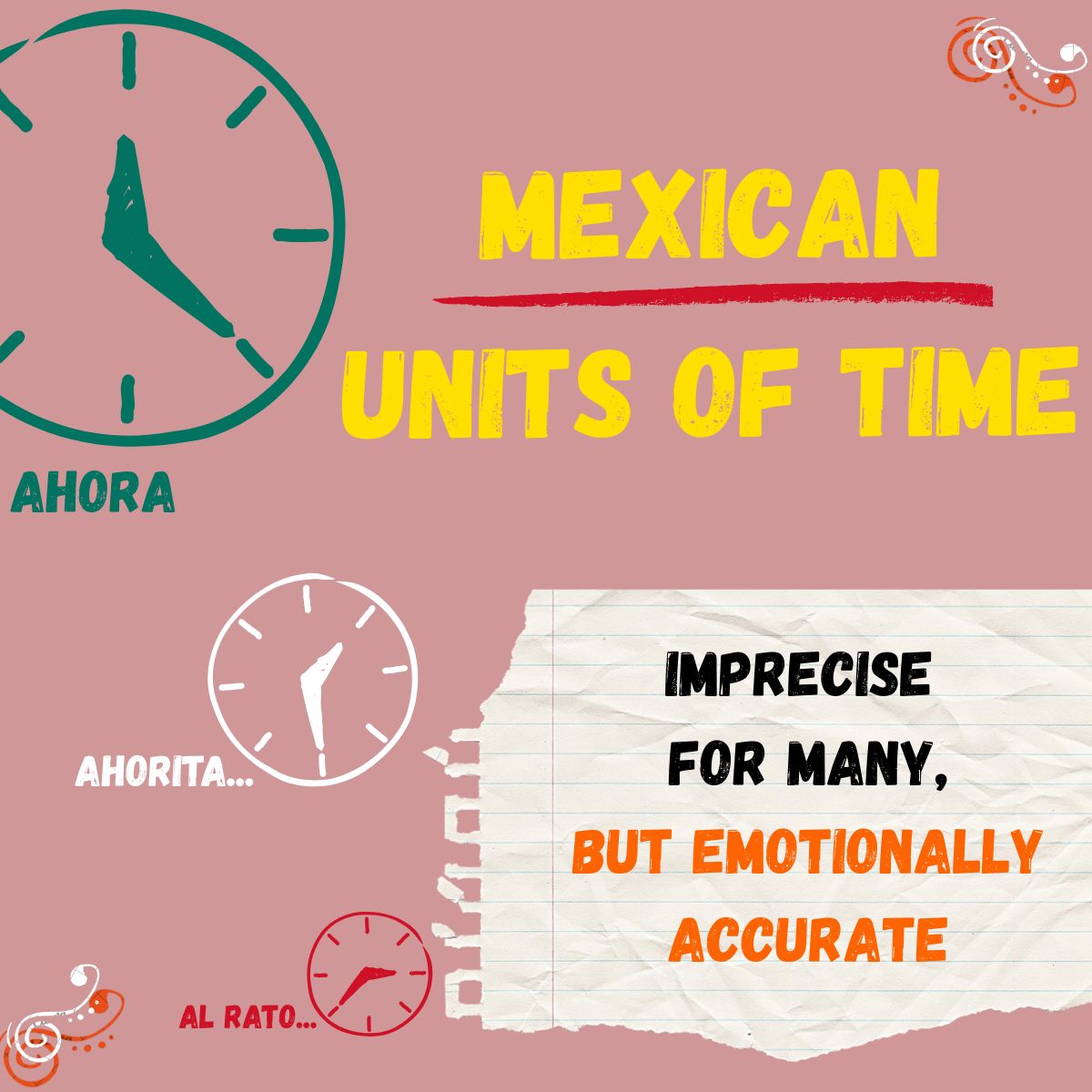
When Time Speaks Louder Than Words: What Your Calendar Reveals About Culture
What does your calendar say about your culture? And no, I'm not just talking about being "on time." Growing up German–Colombian, I learned early on that time means very different things depending on where you are in the world. I can navigate German precision with ease—schedules are sacred, punctuality is…